

Two granny flat quotes land in your inbox. One is $30,000 lower. Most of the time the lower one doesn't have less house in it. It has less in writing. This guide shows you where the gaps hide, so you compare what you'll pay, not what's printed on page one.
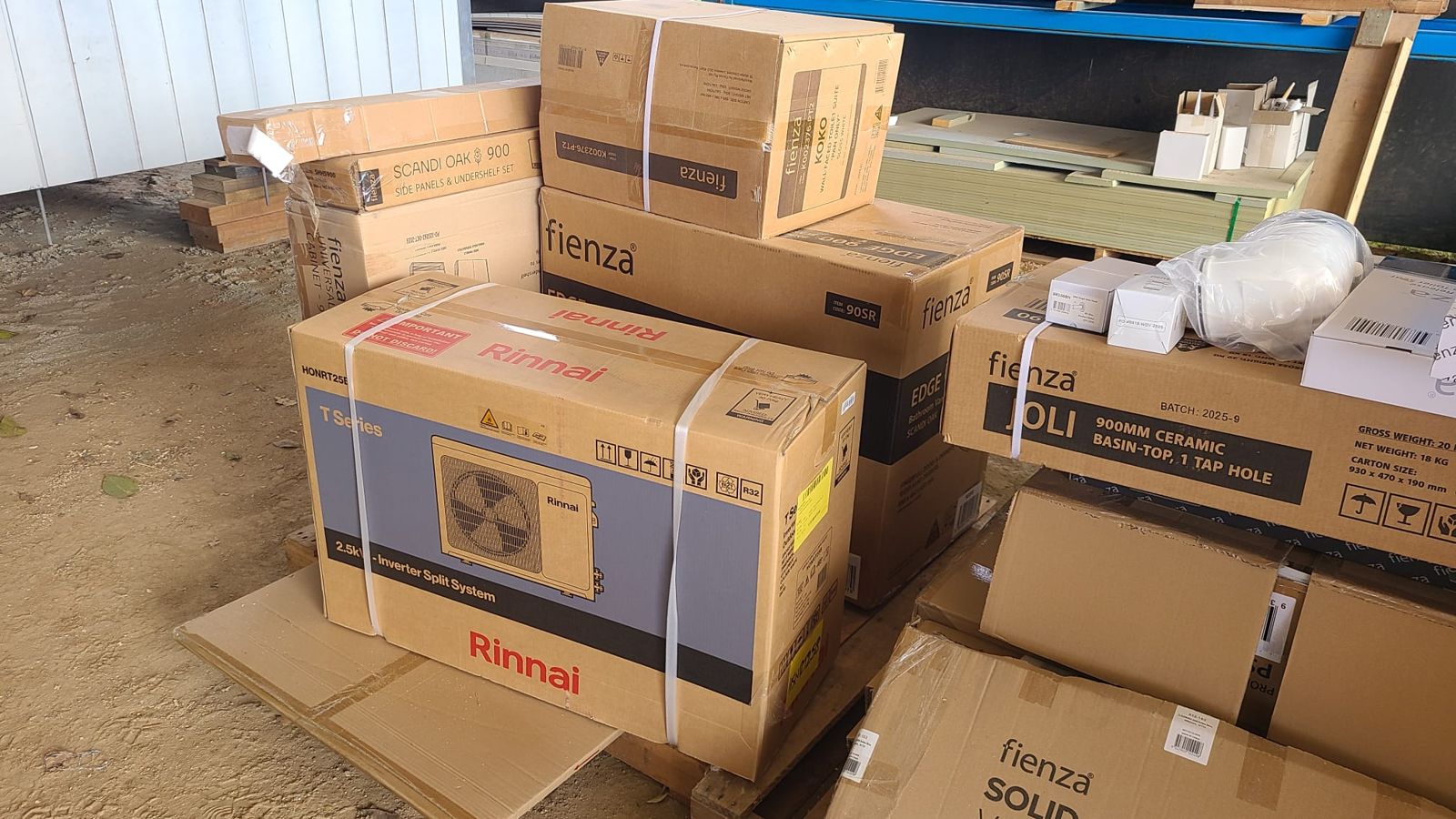
Provisional sums and PC items, in plain English
Queensland law defines both, in Schedule 1B of the QBCC Act. A prime cost item, or PC item, is something like a fixture or fitting that hasn't been picked yet, or whose price isn't known, so the builder puts in a reasonable allowance for supplying and delivering it. Think tapware, the oven, the tiles.
A provisional sum is an estimate for work the builder can't put a definite price on, even after making all reasonable enquiries. Think footings before anyone knows what's under the lawn, or a sewer connection nobody has dug up yet.
The builder warrants that every allowance was worked out with reasonable care and skill, using the information reasonably available when you signed, including what's known about your site. That protects you from a $500 allowance for a whole kitchen. It doesn't promise the allowance will be right.
If the real cost comes in over the allowance, you pay the difference. Most contracts also let the builder add a margin on the overrun. Find that percentage before you sign.
How a low quote grows
Made-up numbers, real pattern. Builder A quotes $180,000. Builder B quotes $205,000. Here is Builder A's job once the ground is open and the selections are made.
| Item | In the quote | Final cost | Difference |
|---|---|---|---|
| Footings (provisional sum) | $6,000 | $14,000 | +$8,000 |
| Sewer connection (provisional sum) | $3,000 | $9,500 | +$6,500 |
| Kitchen (PC item) | $8,000 | $13,000 | +$5,000 |
| Tiles (PC item) | $2,000 | $4,000 | +$2,000 |
| Builder's margin on overruns, 15% | - | - | +$3,225 |
| Driveway (not in the quote) | $0 | $7,000 | +$7,000 |
| Total | $180,000 | $211,725 | +$31,725 |
Builder A is now dearer than Builder B, if B's allowances hold. B might have the same problems. The point is to ask both builders the same questions before you sign, not after.
What granny flat quotes often leave out
These are the usual gaps. Every one is real money. For SEQ ranges on each, see our cost page; we won't repeat the figures here.
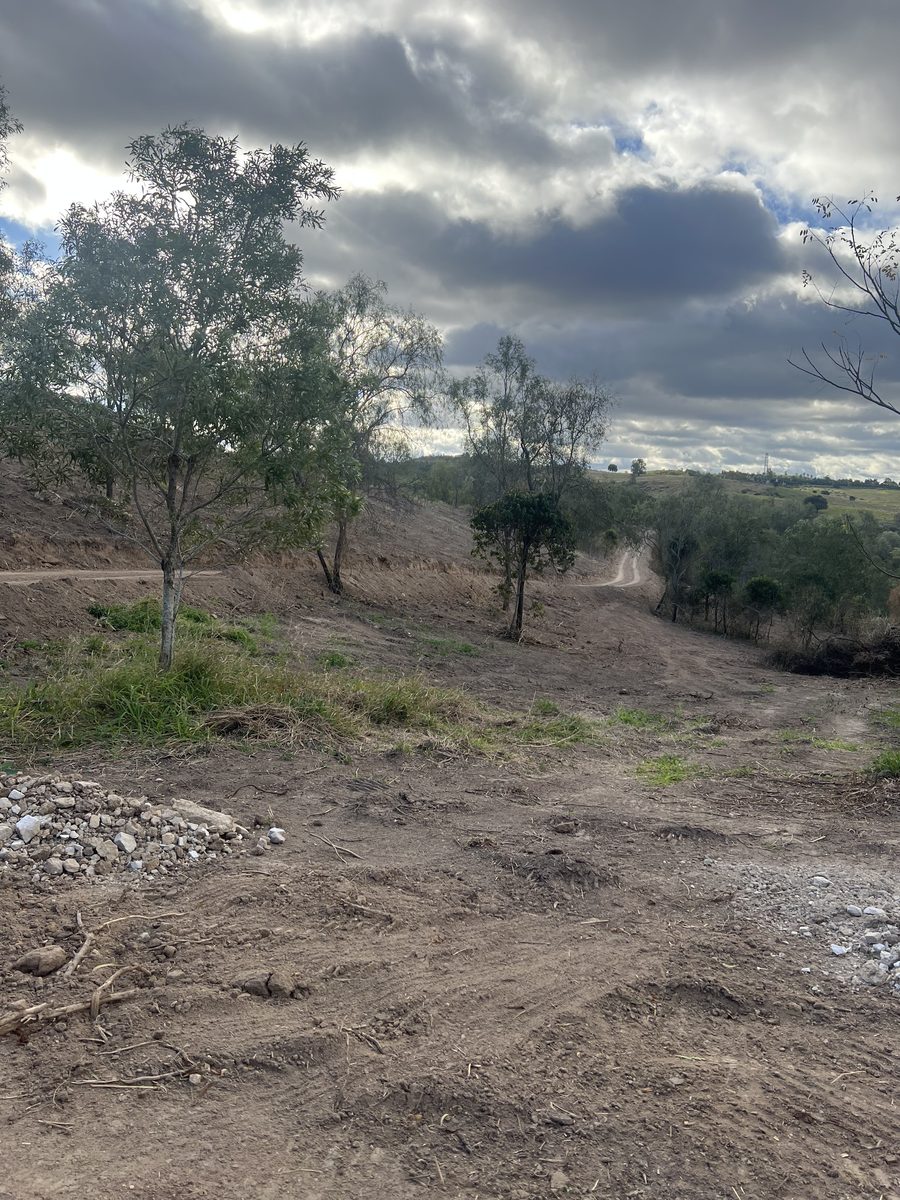
- Site works: clearing, cut and fill, retaining, carting away spoil, and access for trucks.
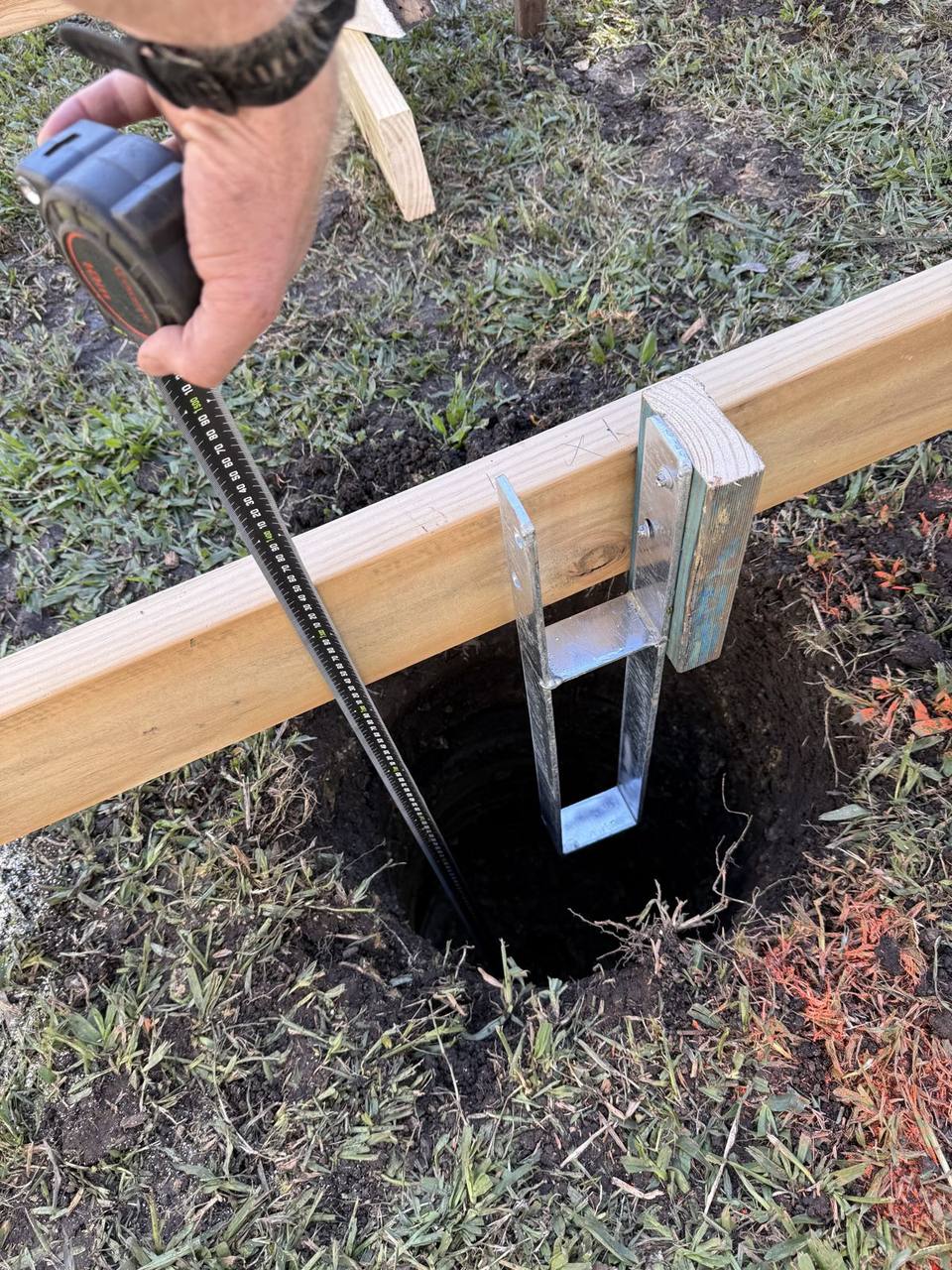
- Footings. In Queensland a builder must get foundations data (soil, slope, drainage needs) before signing a regulated contract, and can't later charge you for something that data would have shown. Ask whether they have it.
- Crane and transport, for any modular or kit home.
- Connections: sewer, water, stormwater and power. Amounts you pay straight to a utility or the council for connecting services or issuing an approval sit outside the contract price under Schedule 1B, so they won't appear in the builder's total at all.
- Approvals: the certifier, the reports (soil, survey, energy rating, BAL where your block is bushfire mapped), plumbing approval, and a planning application if your block needs one.
- QBCC home warranty insurance. Most residential work over $3,300 must be covered. The licensed contractor collects the premium from you and pays it to QBCC, so it should be a line on the quote.
- The QLeave levy. Queensland charges a portable long service leave levy on building work costing $150,000 or more, ex GST. Ask who is paying it.
- Landscaping, paths and fixing the lawn the crane drove over.
- A driveway or car space, if your council wants one for the second home.
- Decks, stairs, ramps, blinds, appliances and air conditioning.
Ex factory vs installed
Modular and kit makers usually quote the home at the factory gate. That's a real price for a real thing, but it isn't what you pay to live in it. Between the factory and the keys sit transport, the crane, footings, connections, steps and decks, and the paperwork. On a modular job those are often priced by someone else, such as the installer. That's us, on many SEQ jobs.
Check two things. First, who carries what. If the maker is the builder for the whole job, their contract should cover the site. If you're the owner builder, or the site is contracted separately, every gap between the two quotes is yours to fill.
Second, the deposit. Under Schedule 1B a builder can take a deposit of up to 10% on a contract between $3,300 and $20,000, and up to 5% on a contract of $20,000 or more. Where more than half the contract value is work done off site, the cap is 20%. Know what you're paying before a module exists.
GST: put every quote on the same basis
GST is 10%. A business must register for GST once its GST turnover reaches $75,000, so most builders, makers and trades charge it. Trade and factory prices are often shown ex GST. A builder's price to a home owner usually includes it. Mix them up and a $200,000 quote becomes $220,000.
Compare everything inc GST, because that's what leaves your account. If you're building a home to live in, or to rent out as a home, you generally can't claim that GST back. Residential rent is input taxed, and private building isn't an enterprise for GST. If you're building to sell, talk to your accountant first, because the GST rules change.
How to compare two quotes line by line
- Give every builder the same plans, the same specifications and the same site information. Builders should differ. Documents shouldn't.
- Ask for an itemised quote, with the home and the site priced separately.
- Make a sheet with one row per item: the home, footings, crane, each connection, approvals, insurance, levy, landscaping, driveway, decks.
- Fill in each builder's figure. Where something is missing, write 'not included', not zero.
- Put a number on every gap, using a third quote or our cost page.
- List every provisional sum and PC item side by side. If one builder's allowance is half the other's, ask why.
- Check the margin on overruns, the deposit and the progress payment stages.
- Ask each builder for their exclusions in writing. A good builder already has a list.
- Compare totals last.
Red flags
- One round number with no breakdown.
- A fixed price for footings with no soil test and no site visit.
- Provisional sums for things that could be priced today, like a standard bathroom.
- An exclusions list longer than the inclusions.
- A deposit bigger than the caps above.
- No licence number. A contract over $3,300 must show the builder's name and licence number as they appear on the licence. Check them on the QBCC register.
How we quote
We look at the block first, then price the site side in writing, itemised. Where something can't be priced yet, we say what it is, why, and how we worked out the allowance. We don't quote module prices. The maker does that, and we tell you exactly where their price stops and ours starts.
- What a granny flat costs in SEQ
- Get a quote
- Modular installs
- Owner builder or licensed builder for a modular granny flat
- Queensland building contracts, explained
- How to check a builder before you sign
- Paying for a granny flat
- QBCC Act 1991, Schedule 1B (definitions, s 2, s 14, s 26, s 31, s 33)
- QBCC Regulation 2018, s 45 (level 2 amount $20,000)
- QBCC: Queensland Home Warranty Scheme
- QBCC: who pays the premium
- QBCC: QLeave levy
- ATO: registering for GST
- ATO: how Australian GST works
- ATO: property development, building and renovating