

You've built a granny flat, or you're about to, and someone who isn't family wants to rent it. Queensland lets you do that. The catch is that the moment money changes hands you're a landlord, and four sets of rules land on you at once: planning, tenancy law, tax and insurance. Here's each one in plain English.
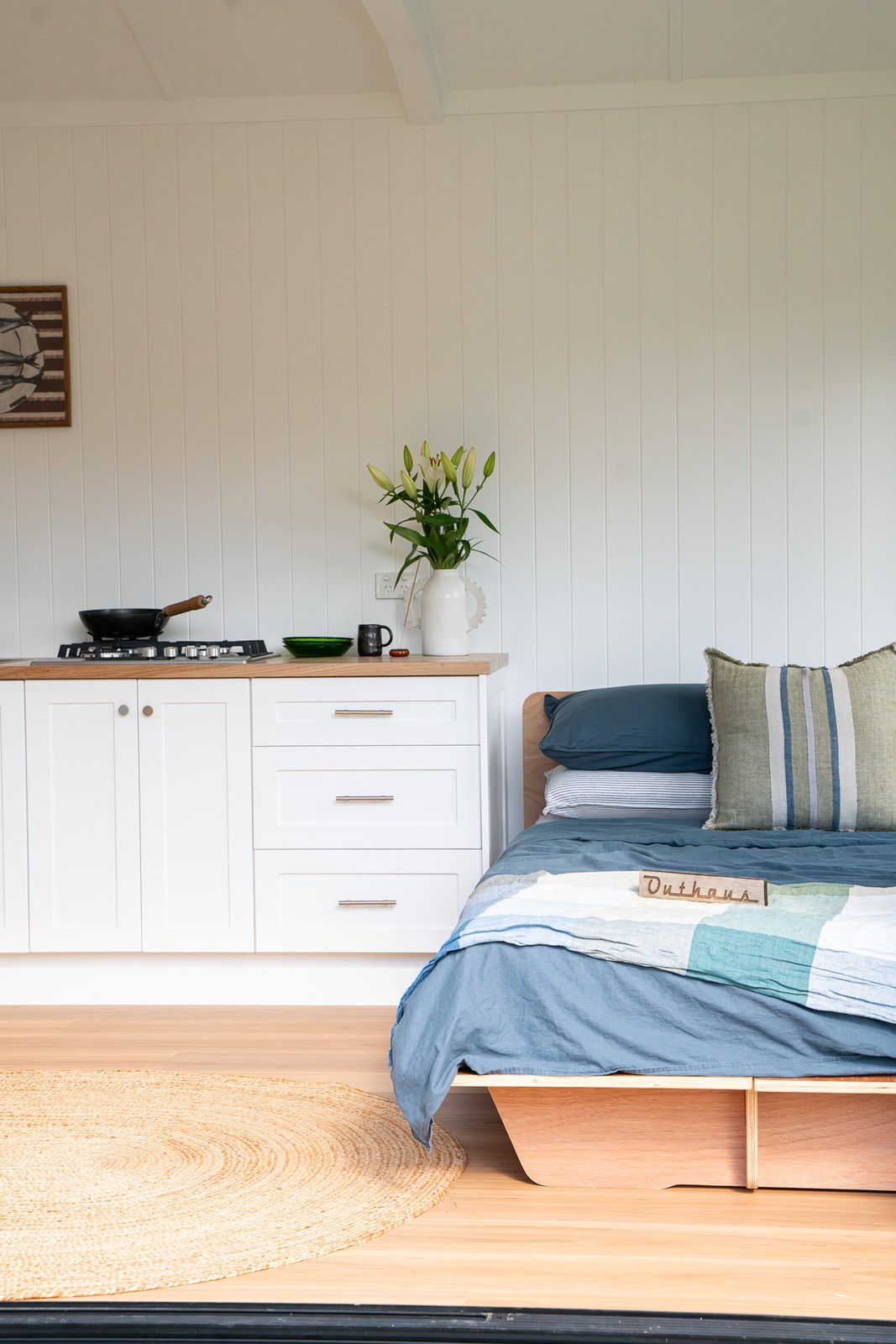
Can you rent it to someone who isn't family?
Yes. Before 2022, a lot of planning schemes said a granny flat could only house members of the main household. The state removed that test with effect from 26 September 2022, and it applies in every council area.
Is it temporary? No. The rule lives in the definition itself. The Planning Regulation 2017, as in force in September 2026, says a secondary dwelling is used with, but subordinate to, the main dwelling, whether or not it is occupied by people related to or associated with the main household. There's no sunset clause. The state's own granny flat page, updated July 2026, still says you can rent to anyone. When the change came in, the RTA said the government planned to review it after three years. We found no published outcome of that review, so the law stands as written.
Three things haven't changed. It's still a secondary dwelling, so it has to stay subordinate to the main house and can't be sold off on its own title. If your existing approval has a condition limiting who lives there, you need a change application to council under the Planning Act 2016 before you rent it out. And short stays are a separate question. Airbnb-style letting is a planning matter for your council, and the 2022 change doesn't settle it.
Council and building rules still apply
The 2022 change didn't remove any approval. A new granny flat needs building approval from a certifier and a plumbing permit from council, and some blocks need a planning approval first. Size caps, setbacks and parking come from your council's planning scheme. Our council pages set those out for Brisbane, the Gold Coast, Ipswich, Logan, Moreton Bay, Redland and the Sunshine Coast.
If you're converting an existing granny flat from family use to a rental, watch this one. The state says the change of use can trigger extra fire and sound separation requirements under the building code, and that may mean a building application. A building certifier is the person to ask, because they're the one who signs it off.
Sort the address too. The RTA says the tenancy agreement should show the main property's address, unless council has given the granny flat its own number, and should describe exactly which part of the property is rented. Councils control street numbering, so ask before you put up a second letterbox.
Tenancy law: what the RTA expects
If the flat is self-contained and the tenant has no access to your house, it's a general tenancy on the RTA's Form 18a. If the tenant shares your kitchen or other facilities, the RTA says a rooming accommodation agreement may apply instead. Get that right first, because the rules differ.
- Bond: four weeks' rent at most, whatever the rent is. Give a receipt straight away and lodge it with the RTA within 10 days. Keeping it in your own account is an offence.
- Entry condition report: give the tenant a signed Form 1a at the start. They have seven days to sign it and note anything they disagree with. Keep a copy for at least a year after the tenancy ends. This form is your evidence in any bond dispute, so take photos and be thorough.
- Minimum housing standards: these have applied to every Queensland tenancy since 1 September 2024. The place must be weatherproof and structurally sound, free of vermin, damp and mould, with working locks on external doors and on windows reachable from outside without a ladder, and working fixtures, fittings, plumbing and drainage. A new granny flat should pass easily. An old shed conversion might not.
- Smoke alarms: rentals have needed interconnected photoelectric alarms since 1 January 2022. That means one in every bedroom, in hallways and on every storey. Alarms must meet AS 3786-2014 and be hardwired or run on a non-removable 10 year battery. The RTA names granny flats in its list. You must test and clean them within 30 days before each new lease or renewal.
Water and power: meter it or write it down
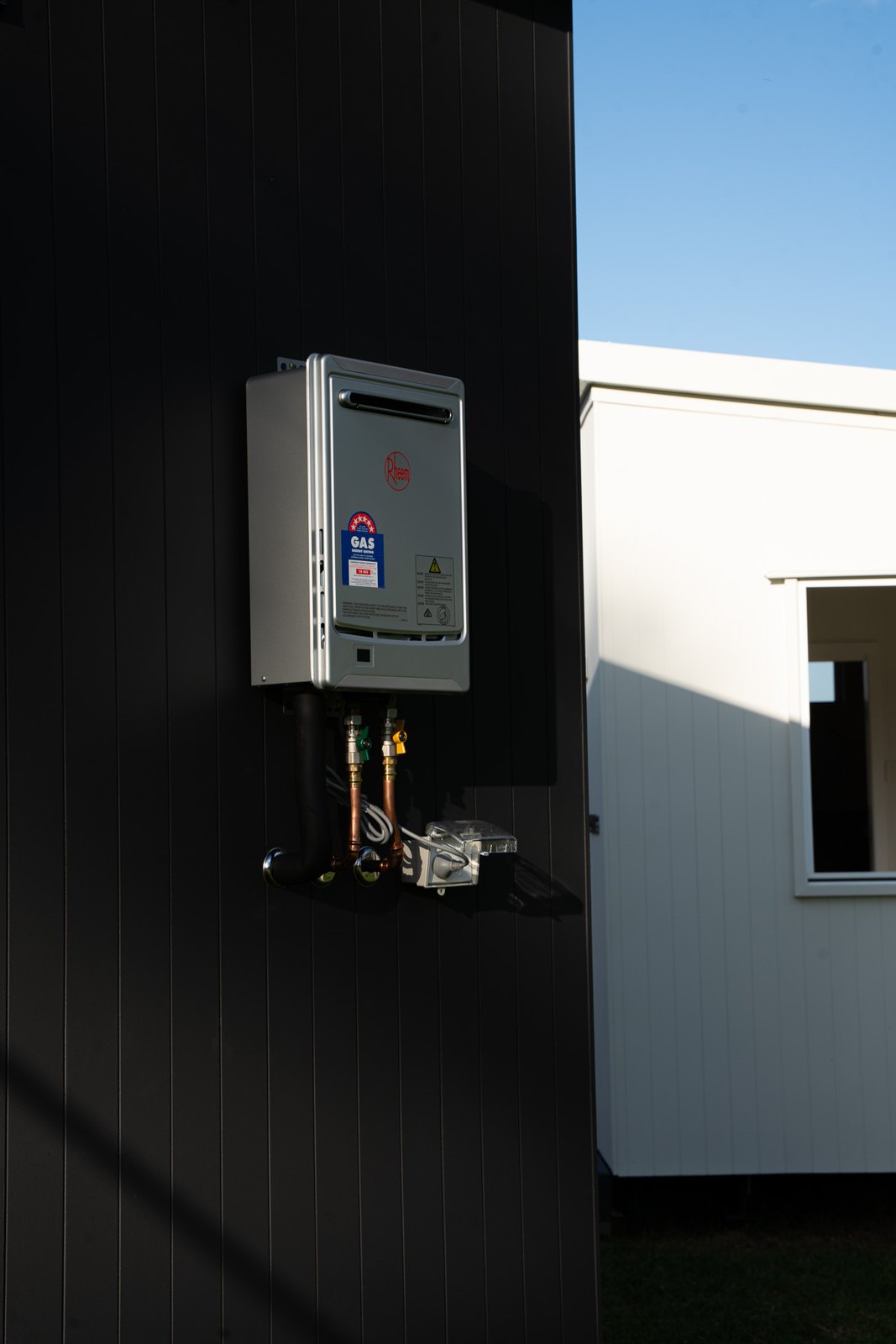
The RTA lets you charge a tenant for water only if all three of these are true: the flat is individually metered, it's water efficient, and the agreement says the tenant pays. Water efficient means cold taps over basins, sinks and troughs and every showerhead run at 9 litres a minute or less, and the toilets are dual flush. Even then, you can't pass on fixed access or sewerage charges, and you must pass the bill on within four weeks of getting it or the tenant doesn't have to pay.
Electricity and gas are simpler. If the flat has its own meter, the tenant pays the bill. If not, the agreement has to set out how the tenant's share is worked out. With no terms in the agreement, you can't charge for it at all.
Our view: decide on meters before the slab or the piers go in. Running a separate supply while the trenches are open costs far less than retrofitting one. Check council first, though. Some councils require the granny flat to share the main house's water meter, and the Sunshine Coast is one of them.
Tax: what the ATO says
Rent from a granny flat at market rates is taxed like any other residential rental. You declare the rent and claim the expenses that relate to the rented part, such as interest on the share of the loan that funded it, rates and insurance apportioned, repairs, and depreciation. The construction cost itself is claimed as a capital works deduction, generally 2.5% a year for a residential build, starting once the work is finished and only while it's rented or genuinely available for rent.
The bigger cost shows up when you sell. Renting out part of your home means you lose the full main residence exemption from capital gains tax. You may still get a partial exemption, with the taxable share usually worked out on floor area and the time it was rented. Capital works deductions you've claimed also reduce your cost base. Run those numbers before you sign a lease, not after.
GST doesn't apply. Rent from residential premises is input taxed, so you don't add GST to it, it doesn't count towards the GST registration threshold, and you can't claim GST credits on the costs of renting it.

Family is different. If a relative pays towards household costs, the ATO treats that as a domestic arrangement, not rent, and you can't claim deductions. A formal granny flat arrangement for an older relative has its own CGT exemption, but only if it isn't commercial. Charging market rent makes it commercial. A registered tax agent is worth paying here, because the apportionment and the CGT calculation are where owners get it wrong.
Insurance: tell your insurer before the tenant moves in
Moneysmart, the government's money site, warns that a granny flat covered under your home policy may not be covered once you rent it out, and that an insurer can refuse a claim if you didn't tell them something you should have. Ring your insurer, tell them there's a tenant, and ask two things: is the flat still covered, and do you need a landlord policy for tenant damage and lost rent. Check your public liability cover while you're at it, because there's now someone living on your land who isn't family.
What rent to expect
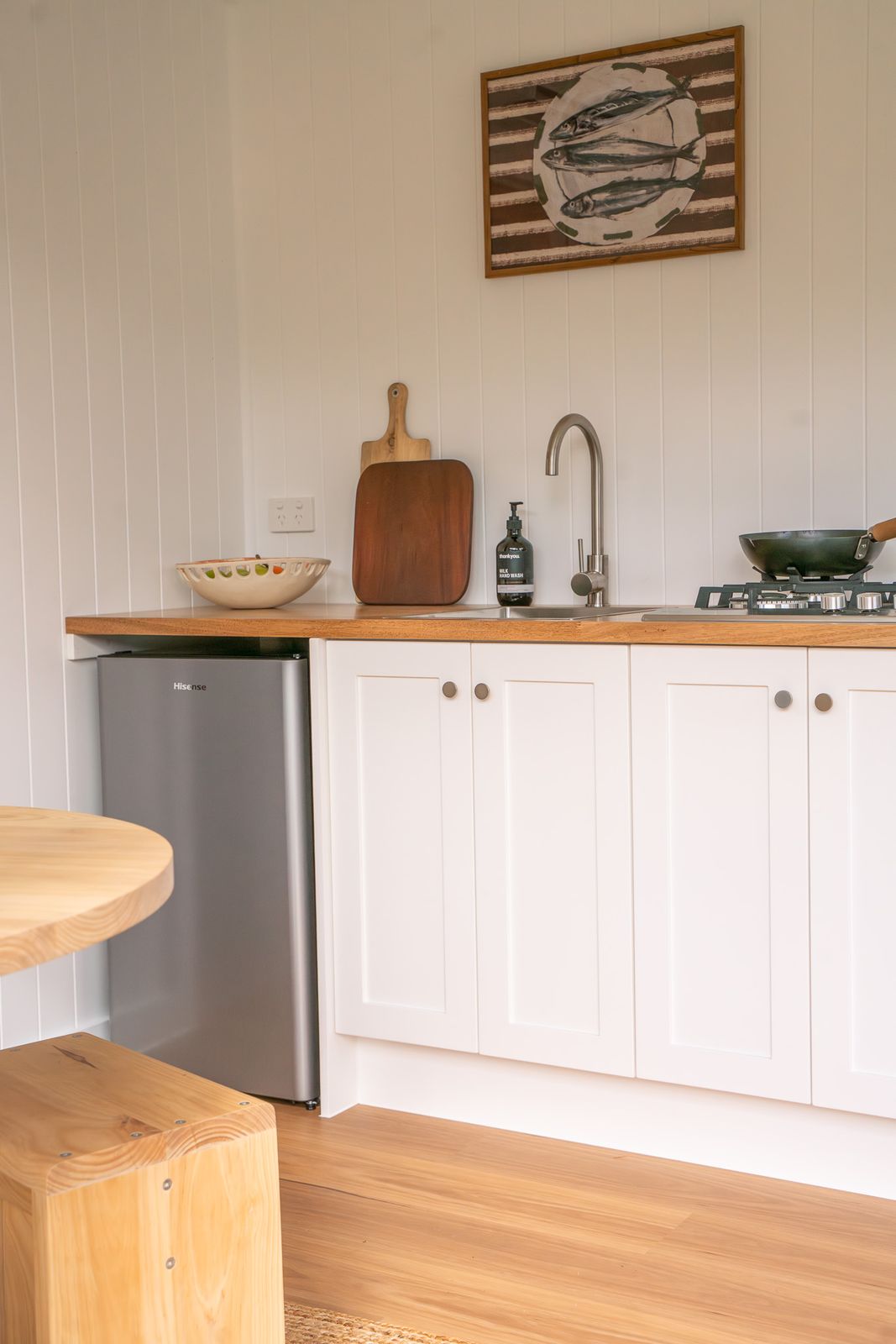
We won't quote you a number we can't back. The RTA publishes median rents by postcode, dwelling type and bedrooms every quarter, based on new bonds lodged. Look up one and two bedroom flats and houses in your postcode on the RTA's median rents quick finder. A flat with its own entry, parking and yard sits at the better end. One that shares your driveway and looks at your bins sits lower.
What we'd do before the first tenant moves in
- Read your approval for any occupancy condition. If there is one, apply to council to change it.
- If the flat was built for family, ask your certifier whether renting it triggers fire or sound separation work.
- Fit interconnected photoelectric smoke alarms and test them.
- Decide the agreement type: Form 18a for a self-contained flat, rooming accommodation if facilities are shared.
- Sort meters, or write the utility split into the agreement.
- Ring your insurer.
- Lodge the bond within 10 days and hand over the entry condition report.
- Keep every receipt for your tax agent.
If you haven't built yet, send us the block. We'll tell you what your council allows and how to set the flat up so it rents well from day one.
- Rent calculator: RTA medians by postcode
- The rules for a granny flat in Queensland
- What a granny flat costs in SEQ
- Paying for a granny flat
- Granny flats we build
- Granny flat rules in Brisbane
- Granny flat rules on the Sunshine Coast
- Get a quote
- Queensland Government, Secondary dwellings providing housing solutions
- Planning Regulation 2017, schedule 24 (secondary dwelling, dwelling house)
- RTA, Changes to renting granny flats explained
- RTA, Rental bond
- RTA, General tenancy agreements fact sheet
- RTA, Minimum housing standards now apply to all tenancies
- RTA, Minimum housing standards fact sheet
- RTA, Smoke alarms
- Queensland Fire Department, Smoke alarms
- RTA, Water charging
- RTA, Charging for utilities
- ATO, Using your home for rental or business
- ATO, Rental properties guide
- ATO, myTax 2026: rent
- ATO, GST and residential premises
- Moneysmart, Choosing home insurance
- RTA, Median rents quick finder